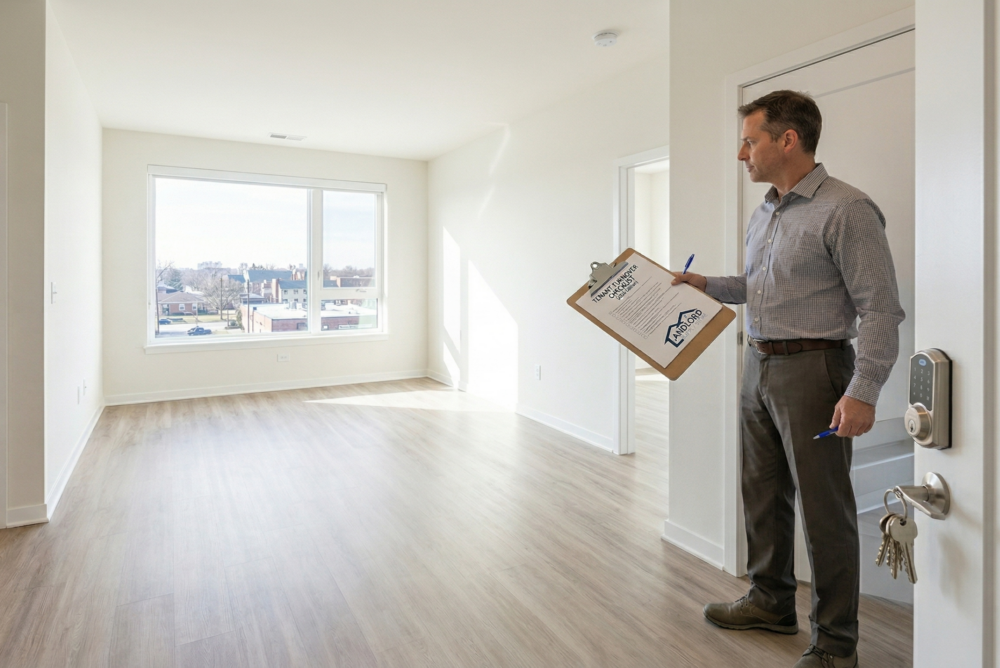
If you’ve been managing properties for any length of time, you know the exact feeling. You get the keys back from a departing tenant, walk into the echoing, empty unit, and just take a deep breath. Between the scuffed baseboards, the lingering smells, and the inevitable wear and tear, getting a property ready for the next move-in can feel completely overwhelming.

But every day that unit sits empty is revenue lost. Over the years, the biggest lesson I've learned is that efficiency doesn't happen by accident—it happens through a strict, repeatable system.

Whether you are a seasoned property manager or a DIY landlord handling your first turnover, having a structured approach is the only way to stay sane and get your listing back on the market quickly. Here is the field-tested 2026 turnover checklist to help you get the job done right.

1. The Security and Hardware Sweep

Before you even think about cosmetic touch-ups, you have to secure the perimeter. Liability is a massive factor in property management, and this is where your turnover begins.

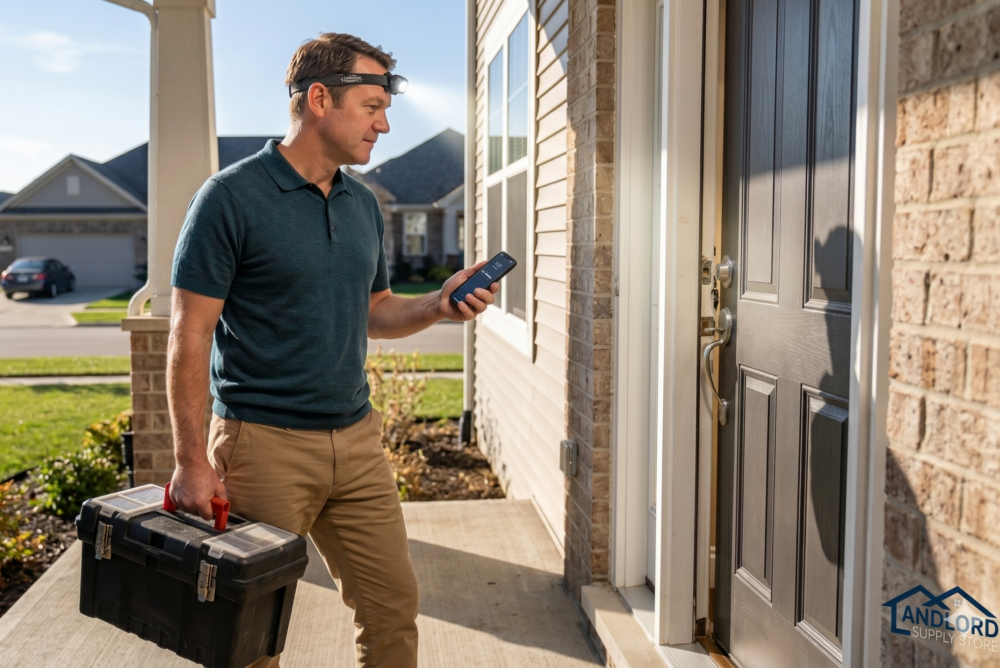
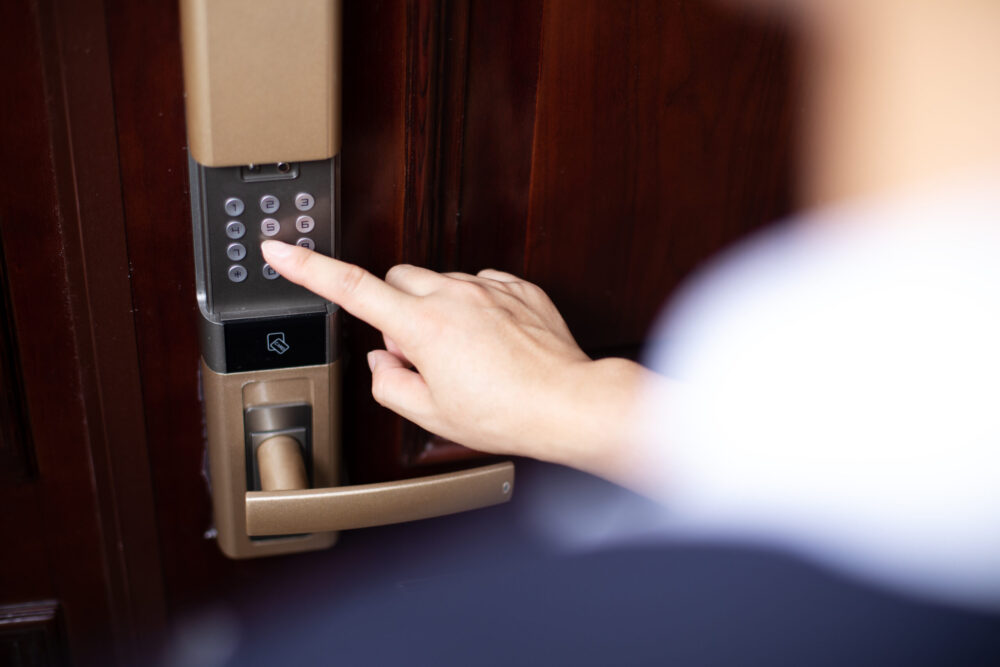
  • Swap the Locks: This is a non-negotiable step. You never truly know who has a spare key from the previous tenant. Swap out the main entry deadbolts immediately. (If you're tired of doing this, transitioning your units to keypad locks will save you a massive amount of time in the long run).

  • Check the Windows: Walk the perimeter of the unit and physically test every single window lock, especially on the ground floor. Ensure they slide smoothly and latch securely.

  • Save Your Drywall: Check behind every door. Replace any missing wall-mounted or hinge-pin door stops. It costs a couple of dollars now, but it prevents a new tenant from accidentally punching a doorknob through the drywall on move-in day.

2. Deep Cleaning (The ROI Multiplier)

A unit that looks spotless and smells neutral is the easiest way to justify your asking rent. Prospective tenants will open the fridge, look inside the oven, and inspect the bathrooms. Don't give them a reason to negotiate.

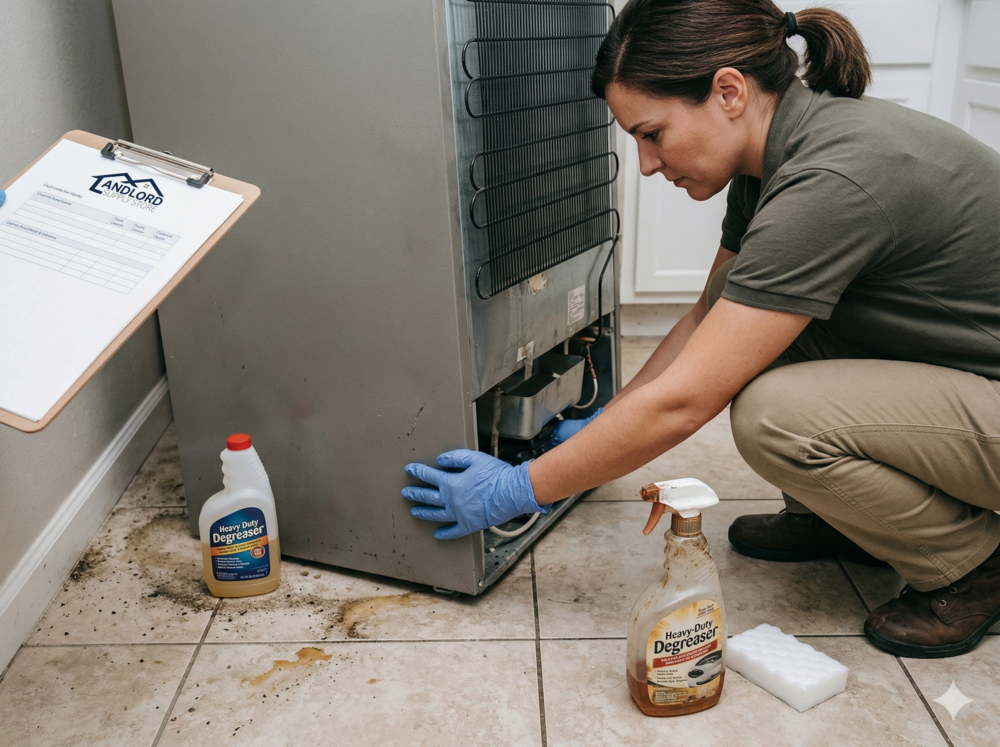
  • Pull the Appliances: Don't just wipe the front of the stove. Pull the refrigerator and oven completely away from the wall. Sweep out the dust bunnies, clean the refrigerator coils to prolong its life, and attack the oven interior with a heavy-duty degreaser.

  • Tackle the Bathroom Grime: Take a hard look at the bathtub and shower surround. If the existing silicone is peeling, yellowed, or moldy, strip it out and re-caulk it. A simple $5 tube of fresh white caulk can make a tired bathroom look brand new.

  • Revive the Floors: If you have carpets, get them professionally extracted. If you have luxury vinyl plank or hardwood, use a high-traffic floor restorer to bring back the shine and remove minor surface scratches.

3. The Drywall and Paint Phase

You don't always have to do a full, wall-to-wall repaint between every tenant, but strategic touch-ups are essential for a premium, well-cared-for look.

  • The Flashlight Trick: Walk the unit at night, or close the blinds, and shine a bright flashlight parallel to the walls. This casts shadows on every nail hole, thumbtack puncture, and drywall dent. Fill them with quick-drying spackle and sand them flush.

  • Erase the Scuffs: Before you crack open a can of paint, take a melamine sponge (like a Magic Eraser) to the baseboards, door frames, and around the light switches. You will be shocked at how many "permanent" marks are just surface dirt that wipes right off.

  • Feather Your Paint: When you do touch up, use a light hand. Feather in your paint using the exact finish—usually eggshell for the walls so it hides imperfections, and a durable semi-gloss for the trim.

4. Preventative Maintenance and Safety

The best time to fix a plumbing issue is when the unit is empty, not at 2:00 AM on a Tuesday when your new tenant is panicked.

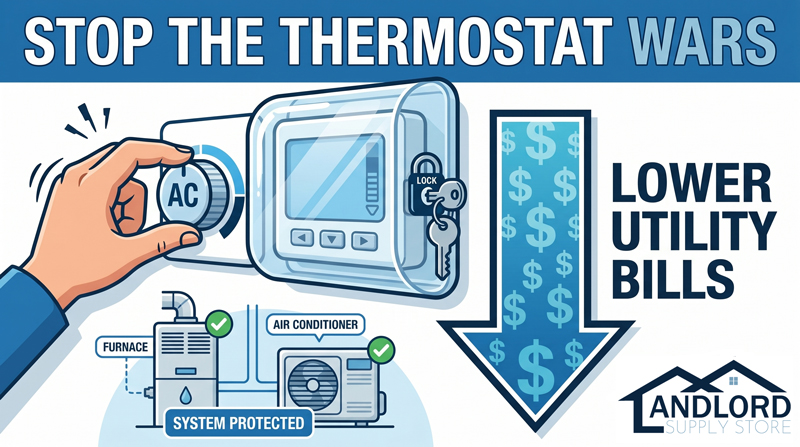
  • HVAC Health: Swap the furnace and AC filters. Write the date clearly on the edge of the cardboard frame with a sharpie so you (or your maintenance tech) always know exactly when it was last changed.

  • Life Safety Checks: Walk through and test every single smoke and carbon monoxide detector. Install fresh batteries across the board, regardless of when they were last swapped. It’s cheap insurance and provides massive peace of mind.

  • The Leak Hunt: Grab your flashlight again and look under the kitchen and bathroom sinks. Feel the bottom of the P-traps and the shut-off valves for any moisture. A slow drip is much easier to tighten up now before someone moves all their cleaning supplies under there.

Conclusion

Turning over a rental property is rarely glamorous work, but it is one of the most critical aspects of running a profitable real estate business. By tackling the process logically—securing the unit, deep cleaning, touching up, and preventing future emergencies—you protect your investment and set the stage for a great relationship with your next tenant.

Keep your maintenance kits stocked, stick to the checklist, and here’s to a smooth, fast turnover!


Related

Projects