
Every landlord dreads the 2:00 AM phone call. Whether it’s a panicked tenant reporting a gushing pipe, a broken front door, or a blaring alarm, the immediate instinct is often to pick up the phone and call a 24-hour emergency contractor.

But responding swiftly to a rental property emergency doesn’t mean you have to immediately default to paying exorbitant after-hours labor rates. Astute landlords approach emergencies like a triage nurse: focus first on stopping the immediate damage, stabilizing the situation, and securing the unit. Once the property is safe and the bleeding has stopped, you can confidently schedule the permanent repairs at standard weekday rates.

Here is the professional landlord’s guide to handling emergency repairs quickly, safely, and without breaking the bank.

Step 1: Stop Immediate Damage (The Water Rule)

When it comes to property damage, water is your absolute worst enemy. A minor leak can turn into thousands of dollars of drywall and flooring damage in a matter of hours. Timing is everything.

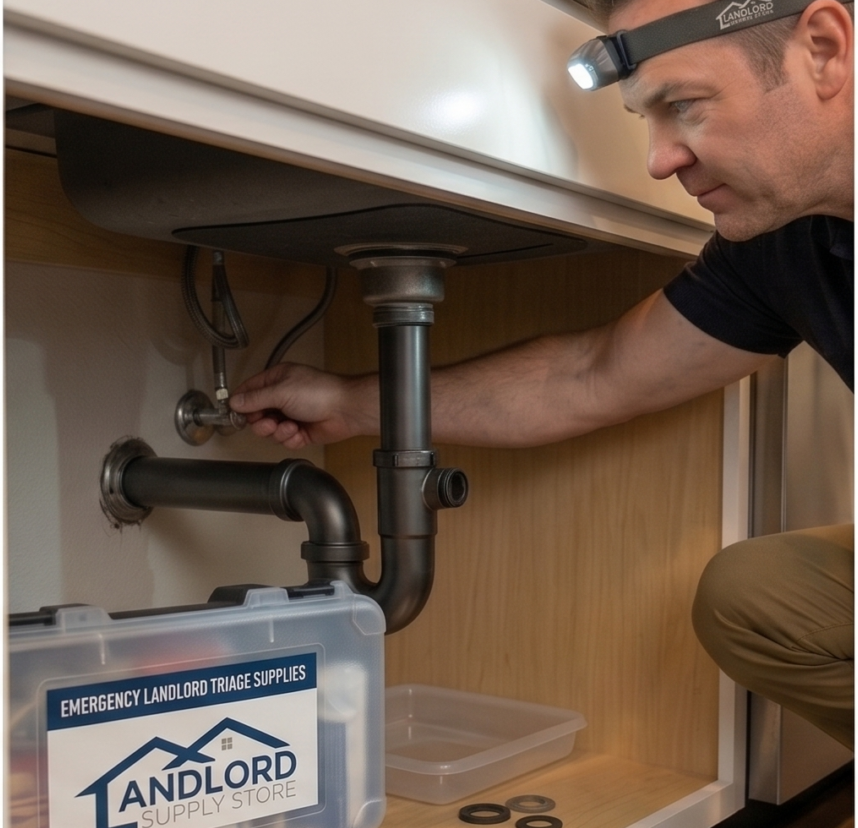
The first step in any plumbing emergency is walking your tenant through shutting off the water source over the phone. Make sure your tenants know exactly where the main water shut-off valve is on move-in day. If it’s an isolated leak, have them turn off the localized valves under the sink or behind the toilet.

Once the water is off, the "emergency" is effectively paused. By keeping essential tools and replacement parts available in your maintenance closet—such as the commercial-grade items found in our plumbing supplies collection—you can arrive on-site, cap a pipe, or swap a basic fixture immediately instead of waiting for an expensive weekend plumber.

Step 2: Secure Tenant Safety First

While property damage is stressful, life safety issues are non-negotiable. If an emergency involves fire risks, gas smells, or poor air quality, the safety of your tenants must be the immediate priority.

  • Gas Leaks: If a tenant smells gas, instruct them to evacuate the unit immediately and call the gas company. Never try to diagnose a gas leak yourself.

  • Alarms and Detectors: A blaring carbon monoxide detector is terrifying for a tenant. Landlords can prevent midnight panic by proactively outfitting their units with reliable, 10-year tamper-proof detectors. Stocking compliant smoke & CO detectors helps you protect your tenants, stay ahead of local fire codes, and address safety requirements before small issues escalate into life-threatening emergencies.

Step 3: Secure the Property and Restore Peace of Mind

A broken lock, a shattered window, or a damaged exterior door is an immediate security emergency. A tenant cannot (and should not) sleep in an unsecured unit. However, calling a 24-hour locksmith to rekey or replace a lock at midnight can easily cost upwards of $300.

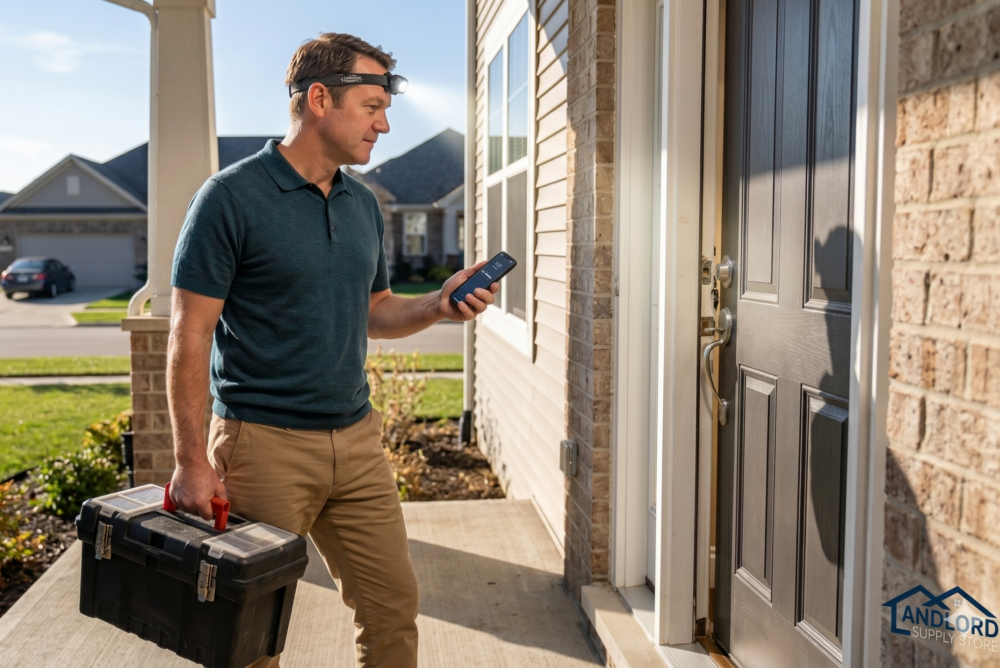
The secret to handling security emergencies is keeping backup hardware in your vehicle or shop. If a key breaks off in a lock or a latch mechanism fails, having standard replacement hardware from our locks and hardware collection allows you to drive over and swap the deadbolt yourself in fifteen minutes. You restore your tenant's security and peace of mind the exact same day, completely bypassing the emergency locksmith fees.

Step 4: Schedule the Permanent Fix

This is where the real money is saved. Once you have stopped the water, ensured the tenant is safe, and secured the doors, you have successfully downgraded an "emergency" to a "standard maintenance request."

You can now wait until Monday morning to call your trusted local plumber, HVAC technician, or carpenter. You will pay their standard hourly rate, you will have time to compare quotes if a major replacement is needed, and you will have complete control over the scope of work.

Why Preparedness Saves Money

Efficiency in property management isn't just about collecting rent on time; it's about controlling your unexpected expenses. Landlords who keep a stockpile of emergency supplies on hand don’t just respond faster—they fundamentally change how they spend capital.

Stabilizing an issue first gives you leverage. It prevents minor headaches from turning into budget-breaking, tear-out repairs. By having the right tools ready before the phone rings, you protect your property's ROI and show your tenants that you are a responsive, professional operator.

Prepare now. Spend less later.


Related

Projects