
If you include utilities in your rent, you already know the anxiety of opening the monthly electric or gas bill. But even if your tenants pay their own utilities, extreme energy usage is still costing you money. Why? Because when a tenant leaves the AC running at 62 degrees in July, or cranks the heat to 78 during a brutal Midwestern winter, your HVAC system is taking the beating.

Premature wear and tear on furnaces and air condensers is one of the most expensive hidden costs in real estate investing. The good news is that you don't have to be the "bad guy" to get things under control. By making a few strategic, physical upgrades to your properties, you can passively enforce energy efficiency, reduce utility costs, and add years to the life of your mechanical systems.

Here are the most effective ways to stop utility waste in your rental properties.

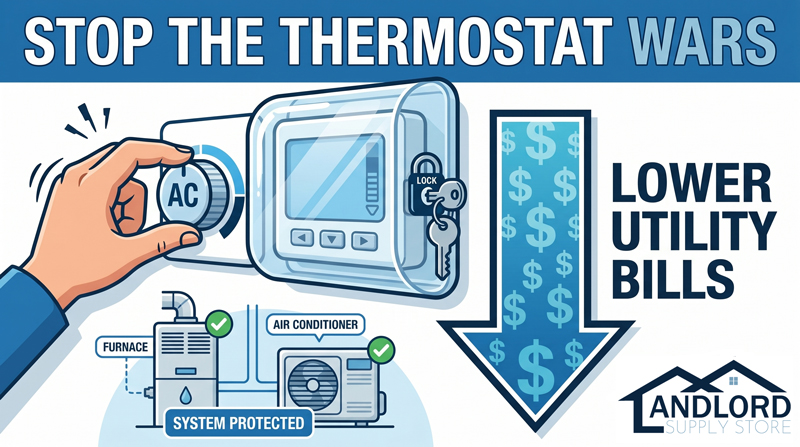
1. End the Thermostat Wars

We have all walked into a unit during a maintenance call only to find the AC blasting while the windows are wide open. Standard programmable thermostats are great in theory, but tenants simply override them.

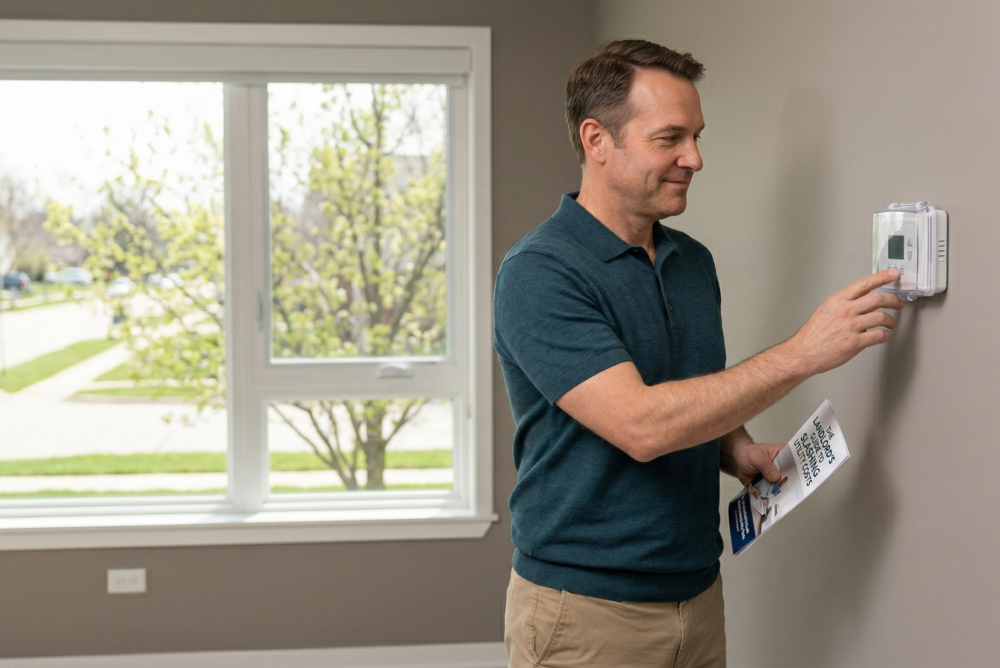
The most effective solution is swapping standard units for a temperature limiting thermostat (often called a landlord thermostat). These function exactly like a normal digital thermostat for the tenant, but they have a hard-coded limit programmed into the back end. For example, you can set it so the heat cannot be turned up past 72°F, and the AC cannot be dropped below 68°F.

This prevents the AC coils from freezing over and stops the furnace from running continuously. It's a simple, tamper-proof upgrade that pays for itself in a single season by preventing emergency HVAC service calls.

2. Cap the Water Flow

Water is one of the few utilities landlords frequently cover, especially in multi-family properties. Even if you don't, a running toilet or a massive water leak can cause devastating property damage.

  • Low-Flow Aerators and Showerheads: The standard showerhead uses about 2.5 gallons per minute (GPM). Swapping these out for 1.5 GPM fixtures cuts hot water usage dramatically. This not only saves water but significantly reduces the energy required by the water heater.

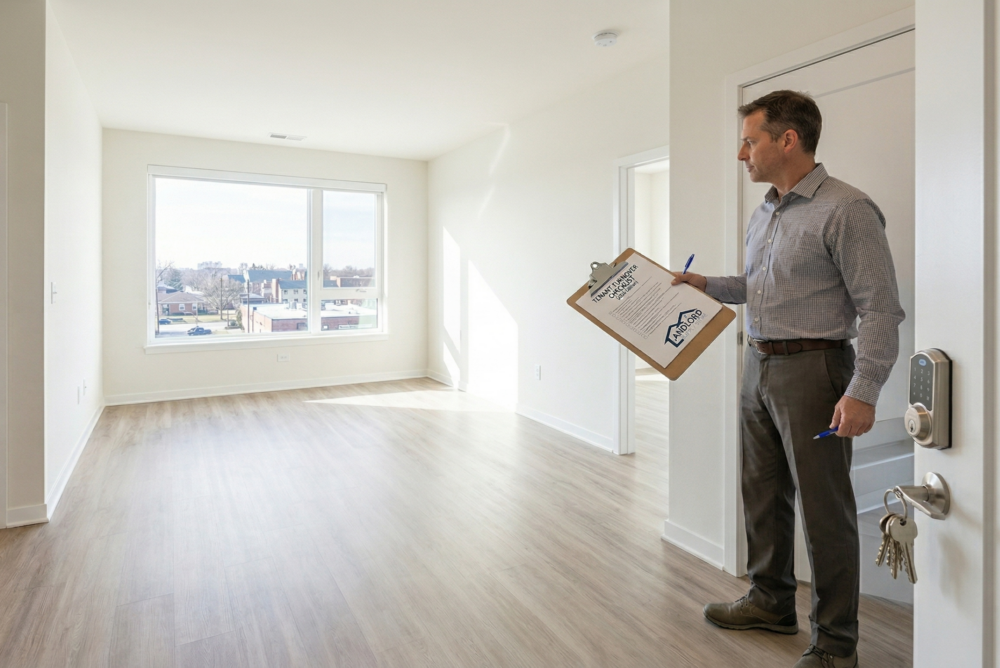
  • The Flapper Check: A worn-out toilet flapper can silently waste hundreds of gallons of water a week. Make it a habit during your turnover checklist to simply replace the $4 flapper in every toilet. It is the cheapest insurance policy against a shocking water bill.

3. Eliminate Lighting Waste

Tenants rarely care about leaving the lights on when they aren't paying the bill. While you can't control their habits, you can control the hardware.

During your next turnover, make it a strict policy to remove every single incandescent or CFL bulb in the unit and replace them with bulk-pack LEDs. LEDs use about 75% less energy and last up to 25 times longer than standard bulbs. Not only does this reduce the baseline electricity draw of the unit, but it also stops tenants from calling you simply because a hallway light burned out.

4. Seal the Envelope

Your heating and cooling systems have to work twice as hard if the conditioned air is pouring out of drafty doors and windows.

You don't necessarily need to install brand-new windows to see a difference. Check the weatherstripping around the main entry doors and ensure the door sweeps are making solid contact with the threshold. A $10 roll of V-strip weather seal applied to older, rattling windows can drastically cut down on drafts, keeping the unit comfortable and the HVAC system from running overtime.

Protecting your cash flow isn't just about finding high-paying tenants; it's about minimizing the quiet, everyday expenses that eat into your margins. By installing safeguards like a temperature limiting thermostat and staying proactive with water and lighting upgrades, you protect your property from extreme wear and tear.

If you are looking to upgrade your units and protect your HVAC systems, check out our selection of tamper-proof thermostats and property management hardware at Landlord Supply Store.


Related

Projects